
Brunel medicine interview at a glance
| Element | Published position |
|---|---|
| Format | Asynchronous virtual multiple mini interview |
| Stations | Six |
| Station timing | Just over five minutes each, including short thinking time followed by answer time |
| Overall duration | Around 40 minutes |
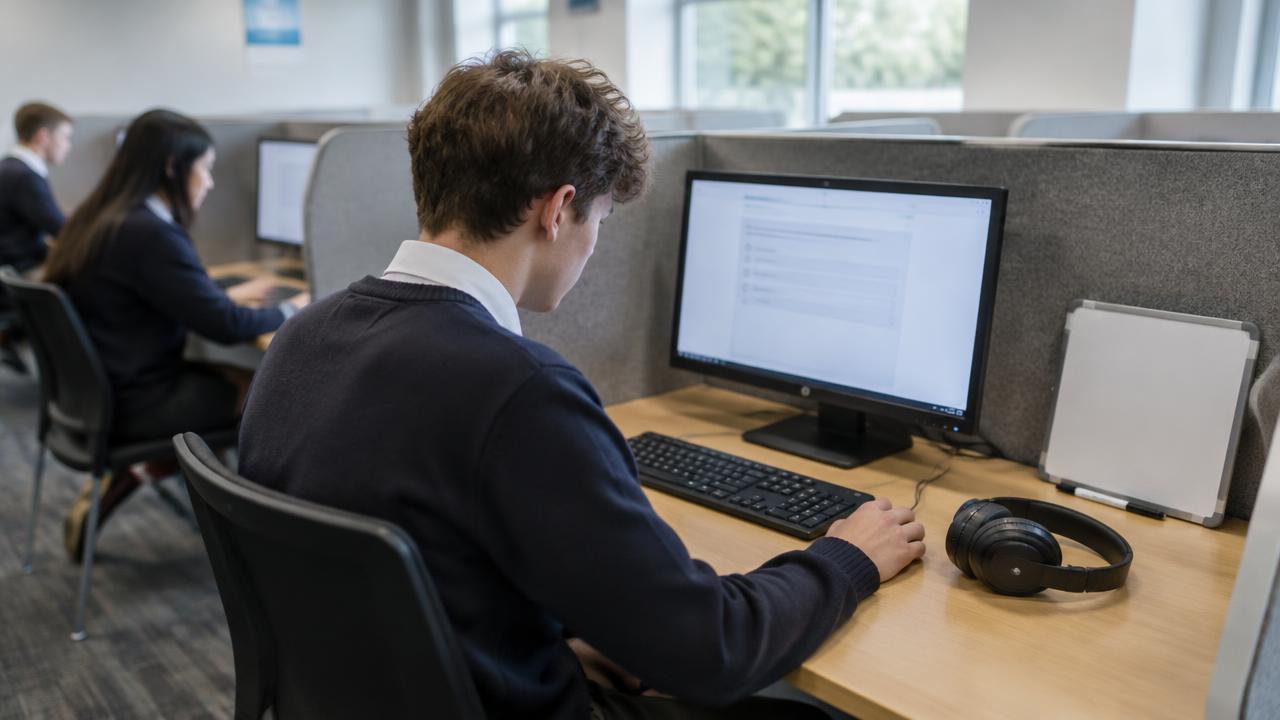
| Delivery | Online recorded responses through Shortlister |
| Interview season | Usually December to July, with different Home and International rounds |
| Submission window | Five days to complete the interview after receiving the invitation |
A five-day completion window is not a promise that every response can be re-recorded or edited. Follow the platform instructions exactly. The important preparation skill is producing a clear first response within the permitted time, without relying on an interviewer to redirect you. Arrange a quiet period well before the submission deadline rather than leaving the entire process to its final evening.
How Brunel shortlists medicine applicants
Brunel describes an initial admissions review checking references and whether applicants meet, or are predicted to meet, general and minimum academic requirements. GCSE or equivalent requirements should be checked on the current course page for your qualification profile. The published process does not justify inventing a GCSE points system or a personal-statement percentage.
Home applicants are ranked using UCAT or GAMSAT scores, with the highest-scoring applicants invited until interview places are filled. International applicants do not need UCAT or GAMSAT under the current FAQ wording. Those meeting academic and other requirements are invited on a first-come, first-served basis. That distinction is important: advice that Brunel never uses an admissions test is not accurate for the current Home route.
The public process reviewed does not specify an SJT band exclusion or a numerical contextual uplift. Do not infer either. Ask admissions about your circumstances rather than borrowing a rule from another university. After interview, applicants are ranked on their overall vMMI score. Brunel says there is no requirement to pass a set number of individual stations, and the annual cut-off depends on the cohort's performance.
What Brunel looks for: professional attributes, not just knowledge
Brunel says each station assesses a different attribute aligned with Good Medical Practice. Its interview guidance emphasises thoughtful, curious candidates committed to making a difference in medicine. That does not mean reciting professional guidance word for word. Show how you would listen, recognise uncertainty, act honestly and involve appropriate support in the situation presented.
The five-year MBBS includes patient contact from Year 1, alongside early communication and clinical-skills development. Brunel describes simulated patients, consultation rooms, skills laboratories and simulation technology. A useful motivation answer explains how you would use feedback from those activities to improve, not simply that modern facilities look attractive.
Brunel's team-based learning approach also gives you a concrete topic to explore. Prepare an example of contributing to a group in which you were not always the most knowledgeable person. Explain how you prepared independently, tested ideas with others and responded when your first answer was wrong. That is more convincing than claiming teamwork means everyone always agrees.

Brunel medicine interview questions to practise
These are original preparation prompts, not real Brunel station disclosures. Record them without a partner supplying follow-up questions.
- 1How would you contribute effectively to team-based learning when another student knows more than you?
- 2Why does patient contact from Year 1 appeal to you, and what responsibilities would it bring?
- 3Describe a time feedback changed your behaviour rather than simply your confidence.
- 4A teammate suggests concealing a mistake because nobody was harmed. How would you respond?
- 5How could simulation help you prepare for a difficult patient conversation?
- 6A patient is uncomfortable with a digital consultation. What would you want to understand before suggesting a solution?
- 7Tell us about a time you had to explain your reasoning without receiving immediate feedback.
- 8What does recognising the limits of your competence mean for a new medical student?
A Brunel preparation plan for recorded responses
Practise the whole station envelope, including thinking time, rather than speaking for five minutes and adding preparation afterwards. Use the exact division supplied in your invitation when available. During thinking time, identify the question's central task and choose a small number of points. A lengthy introduction can consume the time needed for reflection or a safe conclusion.
- 1Record a baseline response and check whether your main answer appears near the beginning.
- 2Practise separate motivation, teamwork, ethical reasoning and communication prompts.
- 3Review one behaviour at a time, such as rushed pace, vague examples or unsupported certainty.
- 4Complete a six-response practice sequence to develop consistency and concentration.
- 5Rehearse your technical setup and leave time to obtain support before the submission deadline.
For scenario answers, distinguish what is urgent from what can wait. Explain who might be affected, what information you lack and what action fits your role. For experience answers, avoid spending most of the response on background. The assessor needs to understand your decisions and learning, not just the event's chronology.
Use the completion window sensibly
Once invited, read all instructions before opening an assessed task. Check identity requirements, permitted materials, equipment and what to do if something goes wrong. Do not assume that flexibility over when you complete the interview changes the rules governing how you complete it. Your own responses should demonstrate your own judgement.
Finally, avoid endlessly polishing a script. A clear, natural explanation with one specific example is more useful preparation than a flawless paragraph that becomes irrelevant when the prompt changes. Brunel's recorded format rewards practising independence: understand the task, organise a response and finish with a clear point.
Frequently asked questions
Is the Brunel medicine interview live?
The current format is asynchronous: applicants record responses online and assessors review them later, rather than conducting a live conversation.
How many stations are in Brunel's medicine interview?
Brunel publishes six stations, each lasting just over five minutes including short thinking time and answer time. The whole interview takes around 40 minutes.
How long do I have to complete the Brunel vMMI?
Brunel's interview page says invited applicants have five days to complete the online interview. Follow the precise deadline in your invitation.
Does Brunel require UCAT for medicine?
Current FAQs say Home applicants are ranked using UCAT or GAMSAT scores. International applicants do not need either test under the published International pathway.
Must I pass every Brunel vMMI station?
Brunel says applicants are ranked by overall vMMI score and are not required to pass a set number of individual stations.